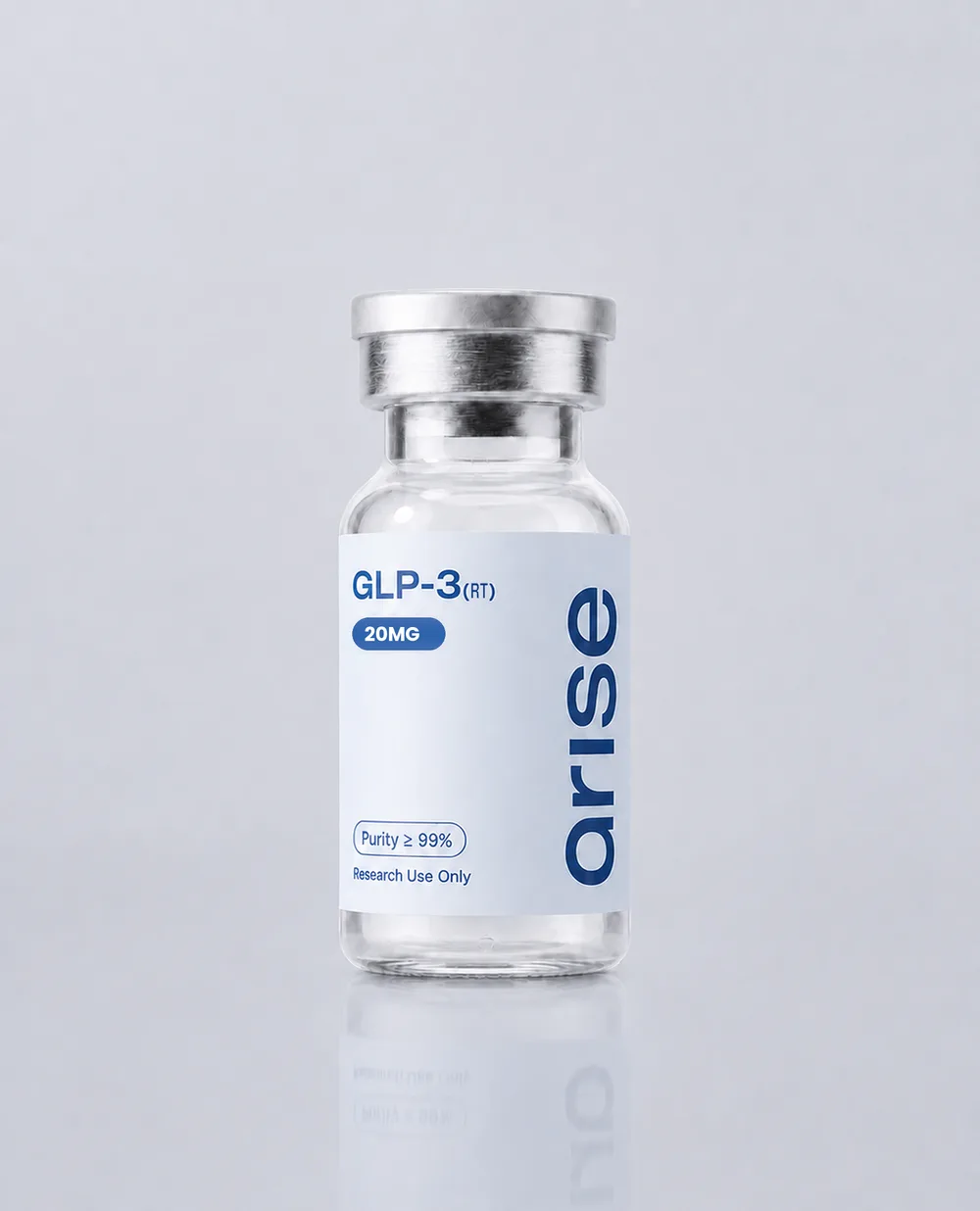
GLP-3(rt)
20MGTriple GIP/GLP-1/glucagon receptor agonist.
Volume tiers count vials of this compound at this strength. Mixing different compounds does not combine toward a tier.
- ≥99% purity specification
- Secure checkout
- Ships in 1 business day
- Research use only
Released against a ≥99% HPLC purity specification and supplied as a sealed laboratory reagent for in vitro research use only.
- Type
- Triple GIP / GLP-1 / glucagon receptor agonist peptide
- Form
- Lyophilized powder
- Vial strength
- 20MG
- Purity specification
- ≥99% by HPLC
Identifiers are published properties of the molecule. Values we cannot confirm are omitted rather than estimated.
Dispatch
Ships within 1 business day of order confirmation, from the US. Vials ship lyophilized at ambient temperature; move them to the storage condition below on arrival.
Lyophilized
Store at -20°C, protected from light. Stable 24+ months sealed.
Reconstituted
Store at 2-8°C. Use within approximately 30 days.
How GLP-3(rt) is described to act.
GLP-3(rt) (LY3437943) is a single synthetic peptide reported to act as an agonist at three receptors: the glucose-dependent insulinotropic polypeptide receptor, the glucagon-like peptide-1 receptor, and the glucagon receptor. Review articles frame the added glucagon receptor component as a route to increased energy expenditure and altered hepatic lipid handling alongside the incretin-mediated effects on insulin secretion and appetite signaling. In rodent tumour models, systemic and tumour-microenvironment immune reprogramming was reported alongside weight reduction, including elevated circulating IL-6, increased antigen-presenting cells and reduced immunosuppressive cell populations. The triple-agonist design is described in the literature as an attempt to combine complementary metabolic pathways within a single molecule.
Mechanistic descriptions summarize published in vitro and animal work. They are not a representation of efficacy or safety in any subject, and no administration guidance is given or implied.
A phase 2, double-blind, randomised, placebo-controlled trial in 338 adults with obesity, or with overweight plus a weight-related condition, measured percentage change in body weight from baseline at 24 weeks, with change at 48 weeks and categorical weight-reduction thresholds as secondary endpoints. A randomised phase 2a substudy in 98 participants with metabolic dysfunction-associated steatotic liver disease measured mean relative change in liver fat at 24 weeks and reported reductions ordered by dose group versus placebo that tracked with changes in body weight, abdominal fat and measures of insulin sensitivity. A systematic review and meta-analysis pooled four randomised controlled trials and described a dose-dependent relationship across the outcomes analysed, with a safety profile the authors judged comparable to control. Narrative reviews have flagged dose-dependent increases in heart rate and reports of mild to moderate cardiac arrhythmia as reasons that long-term cardiovascular outcome trials are considered necessary. In preclinical pancreatic and lung tumour models, treated mice showed reduced tumour engraftment, delayed tumour onset and attenuated progression relative to controls, with the anti-tumour effect persisting after withdrawal. A 40-week phase 3, randomised, double-blind, placebo-controlled trial at 48 sites in the USA, Mexico and India (TRANSCEND-T2D-1) examined the compound as monotherapy in adults with type 2 diabetes inadequately controlled by diet and exercise alone, with baseline glycated haemoglobin between 7.0% and 9.5%. A post hoc exploratory analysis of two phase 2 datasets, comprising 282 and 213 participants, characterised fasting plasma metabolome and lipidome changes. A phase 2b mechanistic study in adults with overweight or obesity and chronic kidney disease (TRANSCEND-CKD) has published rationale, design and baseline characteristics ahead of results. A systematic review and meta-analysis of randomised controlled trials pooled blood pressure and lipid outcomes. A commentary in the internal medicine literature examines a reported urinary tract infection signal and whether its timing accounts for it. In isolated human right atrial preparations obtained during open heart surgery, force of contraction was measured, connecting the receptor pharmacology characterised in cell culture to a contractile endpoint in human tissue.
Cited literature is provided for scientific reference only and does not constitute a representation of efficacy or safety in any subject. All research findings presented are sourced from peer-reviewed journals and are provided for educational reference only.
Bench handling, not a dosing guide.
Intended use
Supplied exclusively as a research reagent for in vitro and laboratory use by qualified researchers. Not a drug, dietary supplement, cosmetic or medical device, and not for human or veterinary use. No dosing, route or administration guidance is provided for any compound in this catalog.
Personal protection
Handle in a controlled laboratory environment with gloves and eye protection. Avoid generating or inhaling airborne particulate when opening a vial, and do not handle the material outside a designated work area.
Opening and reconstitution
Lyophilized peptides are hygroscopic. Let the sealed vial equilibrate to room temperature before opening so atmospheric moisture does not condense onto the powder. Reconstitute by directing diluent down the vial wall and swirling until dissolved — do not shake, which shears and foams the peptide.
Stability and aliquoting
Store at -20°C, protected from light. Stable 24+ months sealed. Store at 2-8°C. Use within approximately 30 days. Aliquot reconstituted material and minimize repeated freeze-thaw cycles.
Waste disposal
Dispose of unused material, reconstituted solutions and sharps through your institution's chemical and biological waste stream, in accordance with local regulations. Do not dispose of research material in domestic waste or to drain.
Others in metabolic research
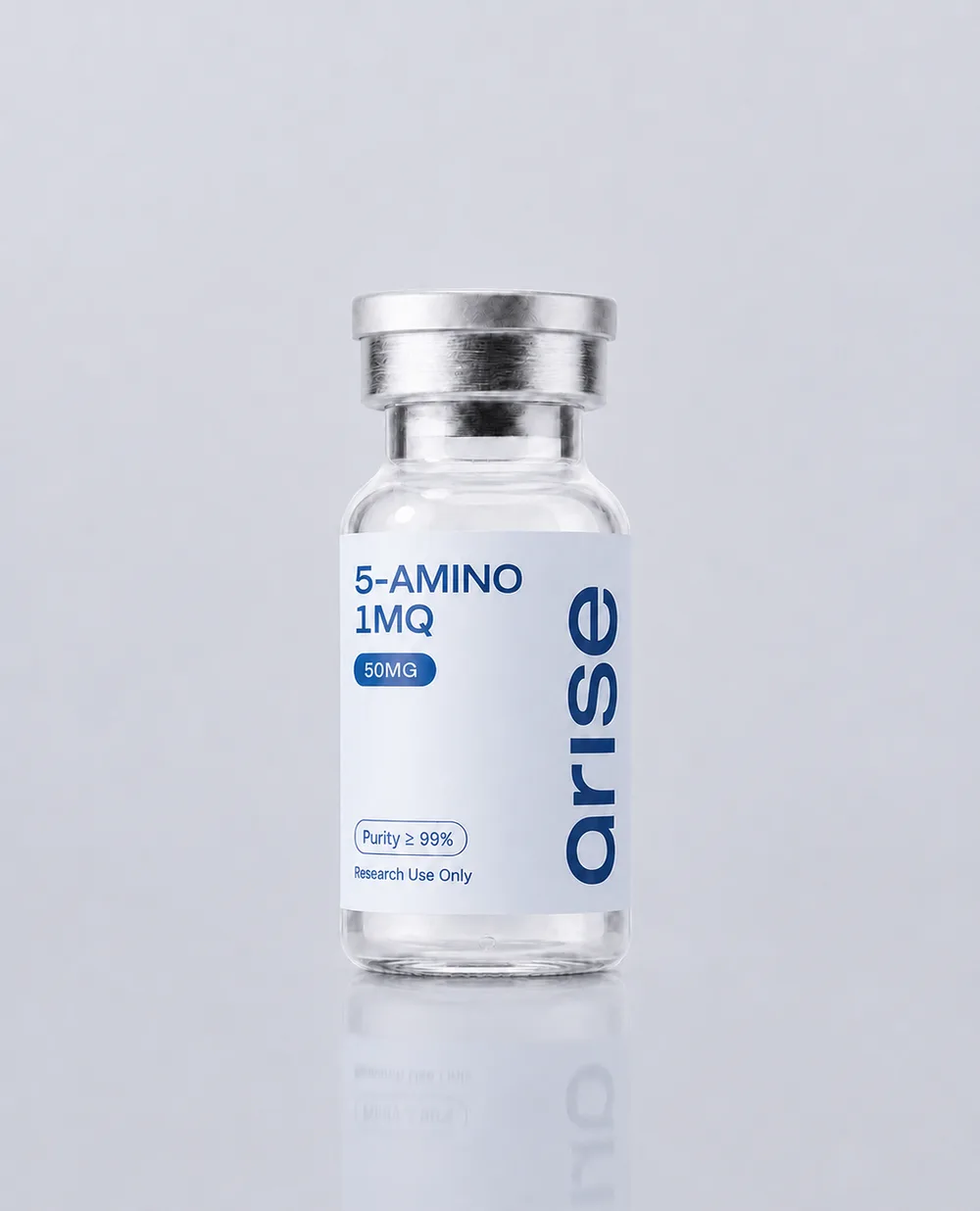
5-Amino 1MQ
Small-molecule methylquinolinium research compound.
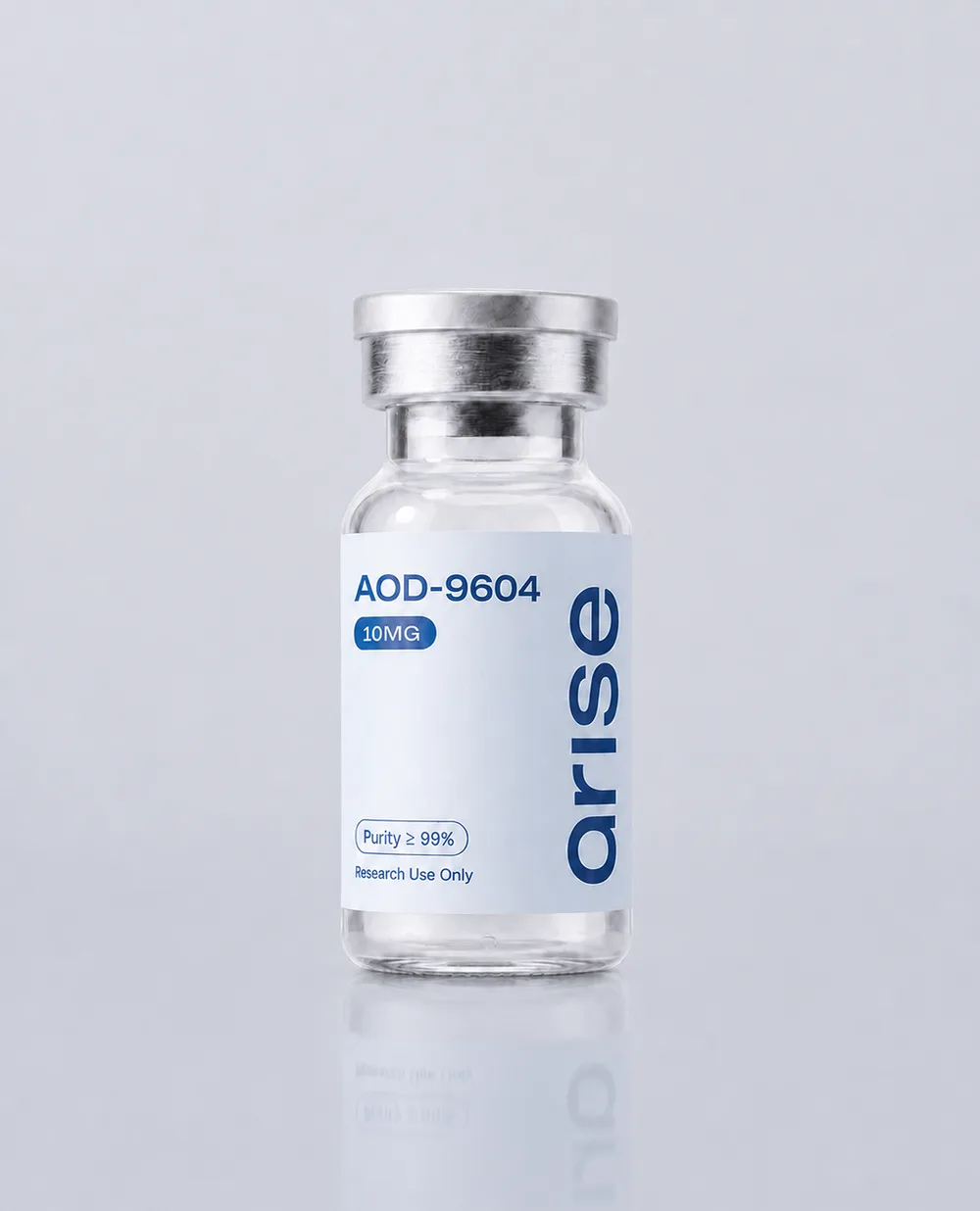
AOD-9604
HGH fragment 176-191 analog.
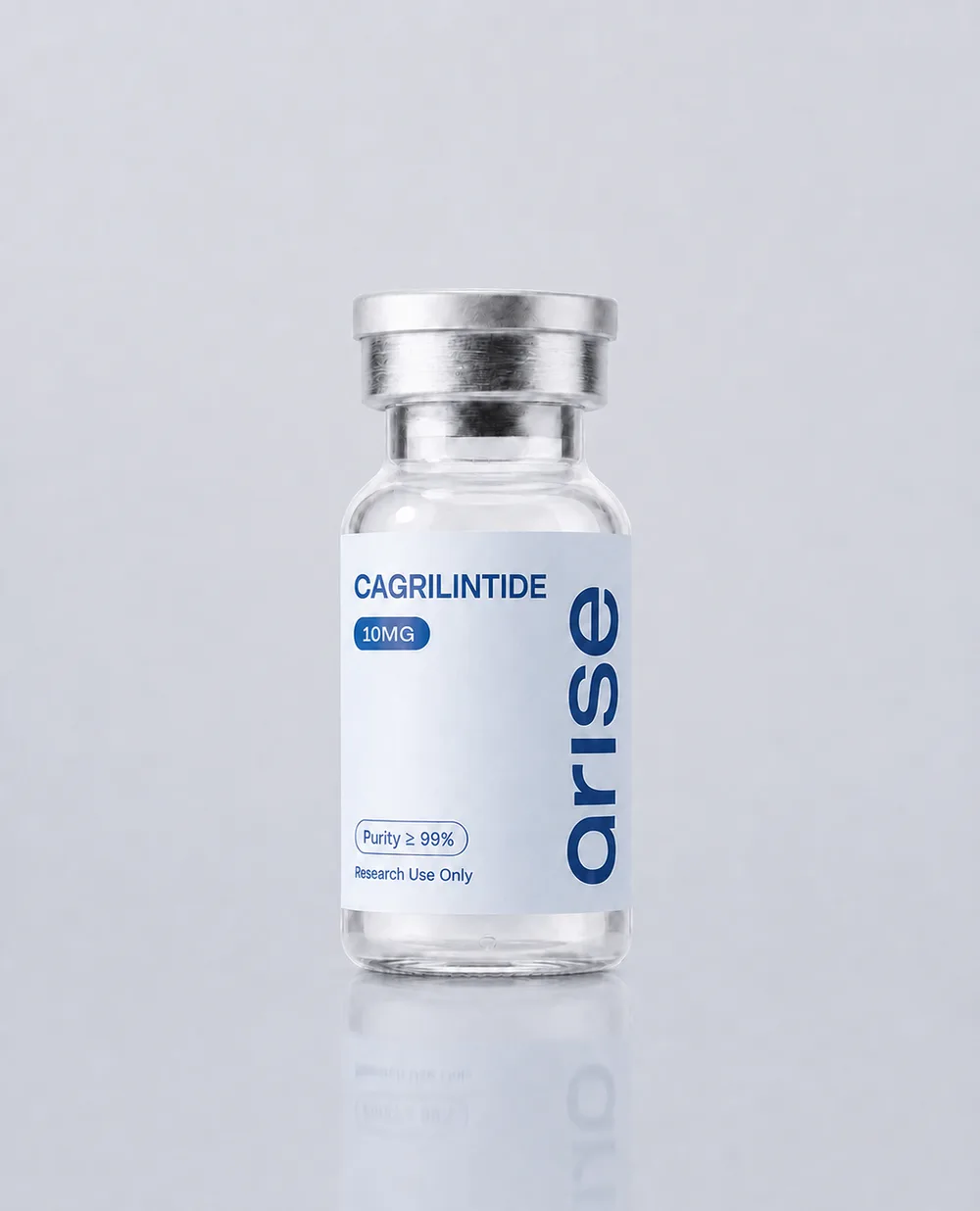
Cagrilintide
Long-acting amylin analog.
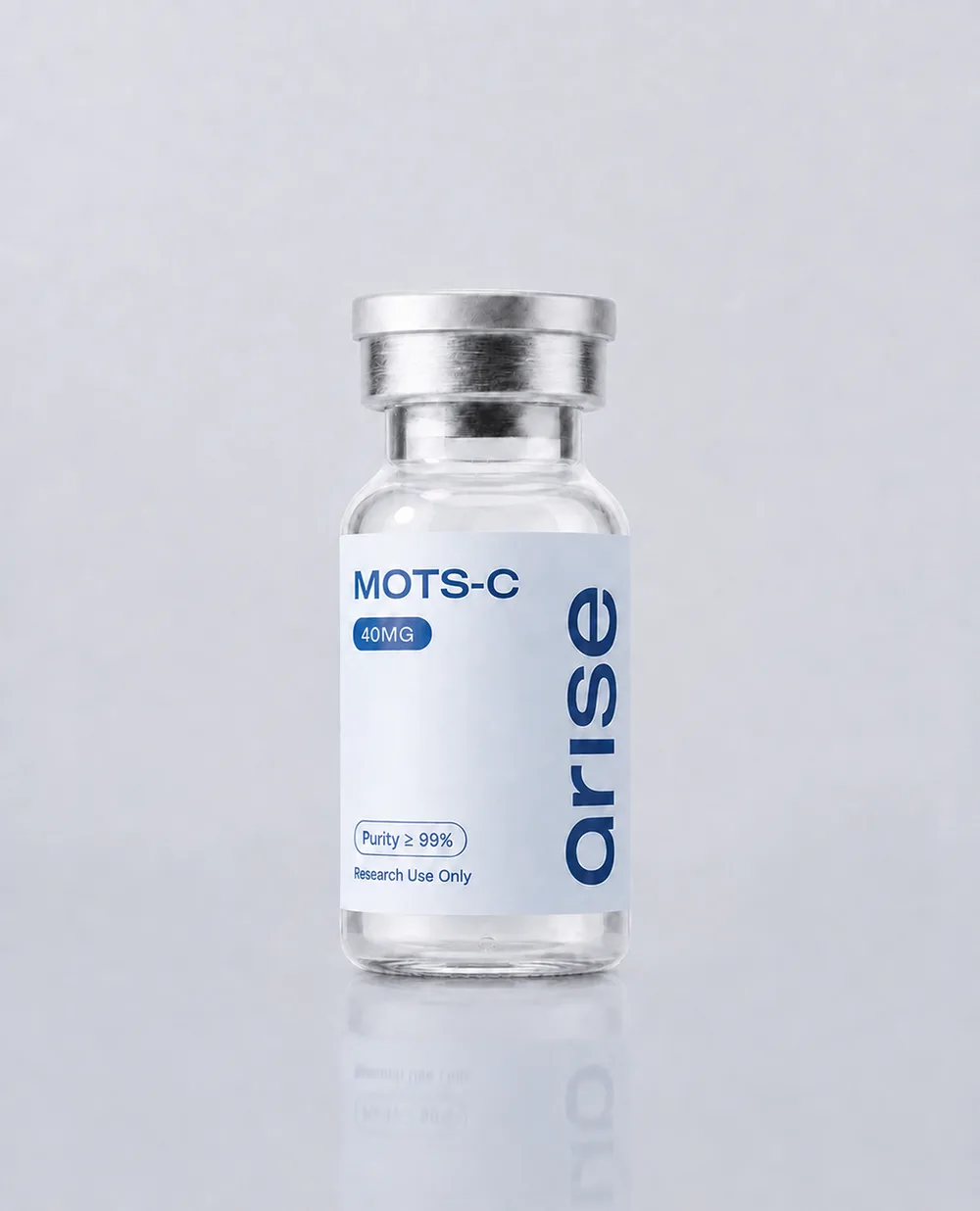
MOTS-C
16-residue mitochondrial-derived peptide.
Important research notice
Not for human consumption. This product is sold exclusively for research and educational purposes. It is not intended to diagnose, treat, cure, or prevent any disease.
This material is supplied exclusively as a research reagent for in vitro and laboratory use by qualified researchers. It is not a drug, dietary supplement, cosmetic, or medical device, is not intended for human or veterinary use, and is not intended to diagnose, treat, cure, or prevent any disease. No dosing, administration, therapeutic, or benefit claims are made or implied. Cited literature is provided for scientific reference only and does not constitute a representation of efficacy or safety in any subject.
By purchasing this product, you confirm that you are a qualified researcher and will use it in accordance with all applicable laws and regulations.