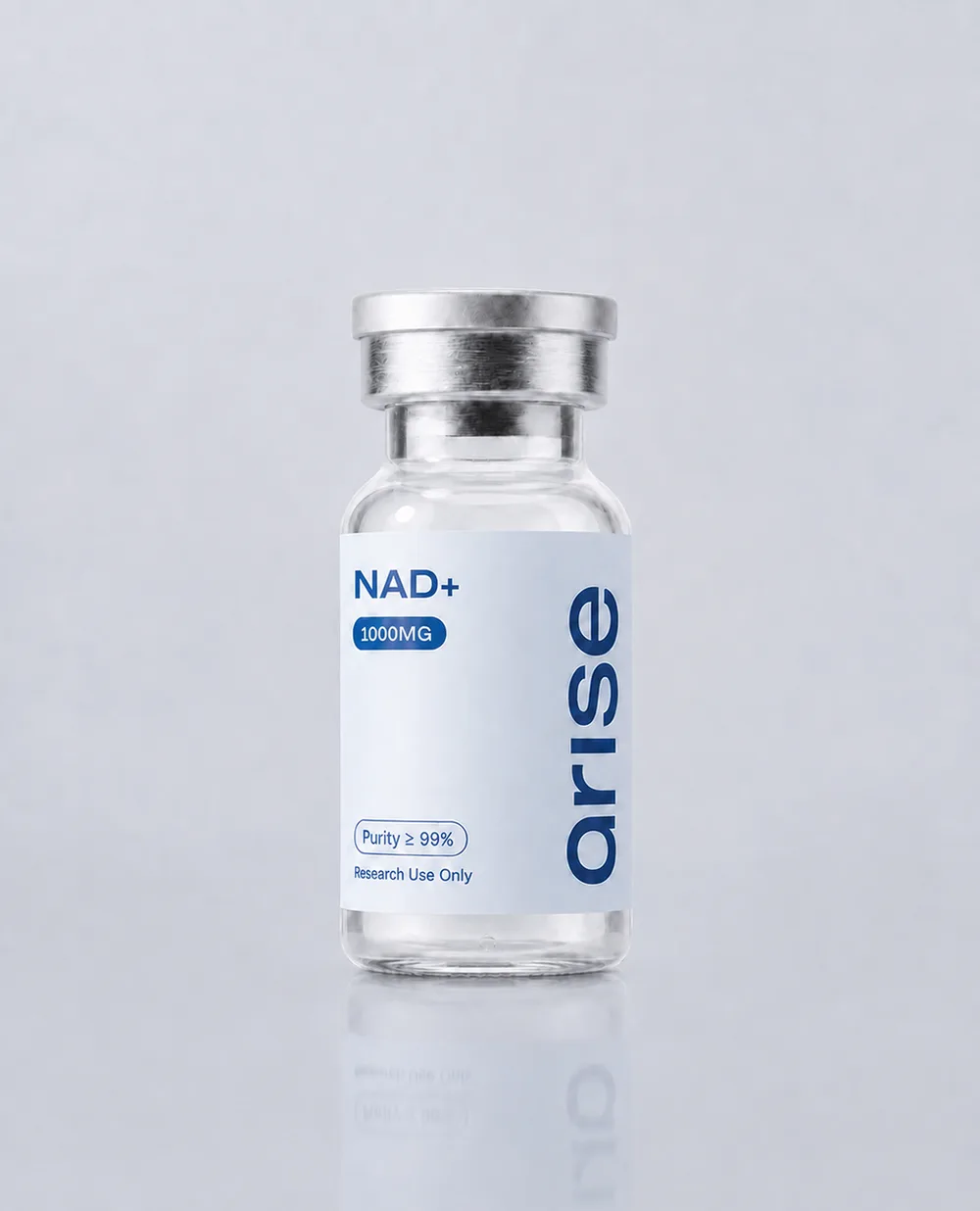
NAD+
1000MGNicotinamide adenine dinucleotide, oxidized.
12 peer-reviewed citations for this compound
Read the sourcesVolume tiers count vials of this compound at this strength. Mixing different compounds does not combine toward a tier.
- ≥99% purity specification
- Secure checkout
- Ships in 1 business day
- Research use only
Released against a ≥99% HPLC purity specification and supplied as a sealed laboratory reagent for in vitro research use only.
- Type
- Nicotinamide adenine dinucleotide, oxidized form
- CAS number
- 53-84-9
- Molecular formula
- C21H27N7O14P2
- Molecular weight
- 663.43 g/mol
- Form
- Lyophilized powder
- Vial strength
- 1000MG
- Purity specification
- ≥99% by HPLC
Identifiers are published properties of the molecule. Values we cannot confirm are omitted rather than estimated.
Dispatch
Ships within 1 business day of order confirmation, from the US. Vials ship lyophilized at ambient temperature; move them to the storage condition below on arrival.
Lyophilized
Store at -20°C, protected from light. Stable 24+ months sealed.
Reconstituted
Store at 2-8°C. Use within approximately 30 days.
How NAD+ is described to act.
Nicotinamide adenine dinucleotide functions in two distinct capacities: as the hydride-carrying coenzyme for oxidoreductases in glycolysis, the tricarboxylic acid cycle and oxidative phosphorylation, and as a consumed co-substrate for NAD+-dependent enzymes including the sirtuin deacylases, poly(ADP-ribose) polymerases and CD38. Through the latter class, NAD+ availability is coupled to chromatin remodelling, DNA repair, circadian transcription, cellular senescence and immune cell function, and to generation of second messengers such as cyclic ADP-ribose and NAADP. Cellular pools are supplied by de novo synthesis from tryptophan through the kynurenine pathway, by the Preiss-Handler route, and by the salvage pathway in which NAMPT converts nicotinamide to nicotinamide mononucleotide; salvage flux is generally described as rate-limiting in mammalian tissue. The NAD(H) and NADP(H) couples additionally set the cytosolic and mitochondrial redox potential governing reductive biosynthesis and antioxidant regeneration.
Mechanistic descriptions summarize published in vitro and animal work. They are not a representation of efficacy or safety in any subject, and no administration guidance is given or implied.
Reviews across this set report a gradual decline in tissue and cellular NAD+ with age in multiple model organisms including rodents and humans, with altered NAD+ homeostasis documented in metabolic, neurodegenerative and oncologic disease states. In preclinical work summarized in these reviews, restoring NAD+ with precursors in old or diseased animals altered lifespan and disease phenotypes, which motivated the search for NAD-boosting molecules. On the human side, a 10-week randomized, placebo-controlled, double-blind trial in postmenopausal women with prediabetes who were overweight or obese evaluated nicotinamide mononucleotide supplementation; insulin-stimulated glucose disposal measured by hyperinsulinaemic-euglycaemic clamp and skeletal muscle AKT and mTOR phosphorylation increased after NMN and did not change after placebo, and muscle remodelling transcripts including PDGFRB were upregulated. Mechanistic reviews emphasize that NAD+ metabolism is compartmentalized and enzyme-specific, so results reported for one precursor, tissue, or NAD+-consuming enzyme do not transfer automatically to others. The reviews in this set consistently note the gap between rodent findings and controlled human outcome data. A PRISMA-guided systematic review covering January 2010 to October 2025 identified 113 eligible intervention studies, 80 of them rodent and 33 human, of which 28 were randomised. A human study compared nicotinamide, nicotinamide riboside and nicotinamide mononucleotide directly against one another on circulating NAD and microbial metabolism, a head-to-head comparison the authors note had been absent. A 12-week, phase 2, single-site, 2 x 2 factorial randomised controlled trial in Friedreich's ataxia examined cardiopulmonary fitness under individualised exercise and nicotinamide riboside, alone and in combination. A phase 1/2 trial examined low-dose oral nicotinamide mononucleotide in immune thrombocytopenia with platelet recovery as the clinical endpoint, and attributed the mechanism to CD38-mediated NAD+ depletion driving macrophage polarisation. A systematic review and meta-analysis of randomised controlled trials pooled resting systolic and diastolic blood pressure in adults with elevated blood pressure. In C57BL/6N mice bearing Lewis lung carcinoma, repeated intravenous nicotinamide riboside at the higher of two doses increased tumour vessel density measured by CD34 immunohistochemistry while the area of tumour necrosis did not change significantly, a finding that bears on how NAD+ precursors interact with established tumours.
Sources & references
Cited literature is provided for scientific reference only and does not constitute a representation of efficacy or safety in any subject. All research findings presented are sourced from peer-reviewed journals and are provided for educational reference only.
- 01NAD⁺ supplementation for anti-aging and wellness: A PRISMA-guided systematic review of preclinical and clinical evidence
Gallagher C, et al. · Ageing Res Rev, 2026
- 02
- 03
- 04
- 05
- 06Dose-Dependent Angiogenic Effects of Intravenous Nicotinamide Riboside in Mice with a Lewis Lung Carcinoma Model
Podyacheva EY, et al. · Bull Exp Biol Med, 2026
- 07NAD(+) metabolism and its roles in cellular processes during ageing
Covarrubias AJ, et al. · Nat Rev Mol Cell Biol, 2021
- 08Nicotinamide mononucleotide increases muscle insulin sensitivity in prediabetic women
Yoshino M, et al. · Science, 2021
- 09NAD(+) homeostasis in health and disease
Katsyuba E, et al. · Nat Metab, 2020
- 10NAD(+) metabolism: pathophysiologic mechanisms and therapeutic potential
Xie N, et al. · Signal Transduct Target Ther, 2020
- 11Therapeutic Potential of NAD-Boosting Molecules: The In Vivo Evidence
Rajman L, et al. · Cell Metab, 2018
- 12NAD⁺ in aging, metabolism, and neurodegeneration
Verdin E · Science, 2015
Every entry links to its record at the publisher or on PubMed. Titles are reproduced exactly as published.
Further searches
Live database searches for NAD+, run against the current index and retrieved independently of this site.
Bench handling, not a dosing guide.
Intended use
Supplied exclusively as a research reagent for in vitro and laboratory use by qualified researchers. Not a drug, dietary supplement, cosmetic or medical device, and not for human or veterinary use. No dosing, route or administration guidance is provided for any compound in this catalog.
Personal protection
Handle in a controlled laboratory environment with gloves and eye protection. Avoid generating or inhaling airborne particulate when opening a vial, and do not handle the material outside a designated work area.
Opening and reconstitution
Lyophilized peptides are hygroscopic. Let the sealed vial equilibrate to room temperature before opening so atmospheric moisture does not condense onto the powder. Reconstitute by directing diluent down the vial wall and swirling until dissolved — do not shake, which shears and foams the peptide.
Stability and aliquoting
Store at -20°C, protected from light. Stable 24+ months sealed. Store at 2-8°C. Use within approximately 30 days. Aliquot reconstituted material and minimize repeated freeze-thaw cycles.
Waste disposal
Dispose of unused material, reconstituted solutions and sharps through your institution's chemical and biological waste stream, in accordance with local regulations. Do not dispose of research material in domestic waste or to drain.
Others in longevity & cellular
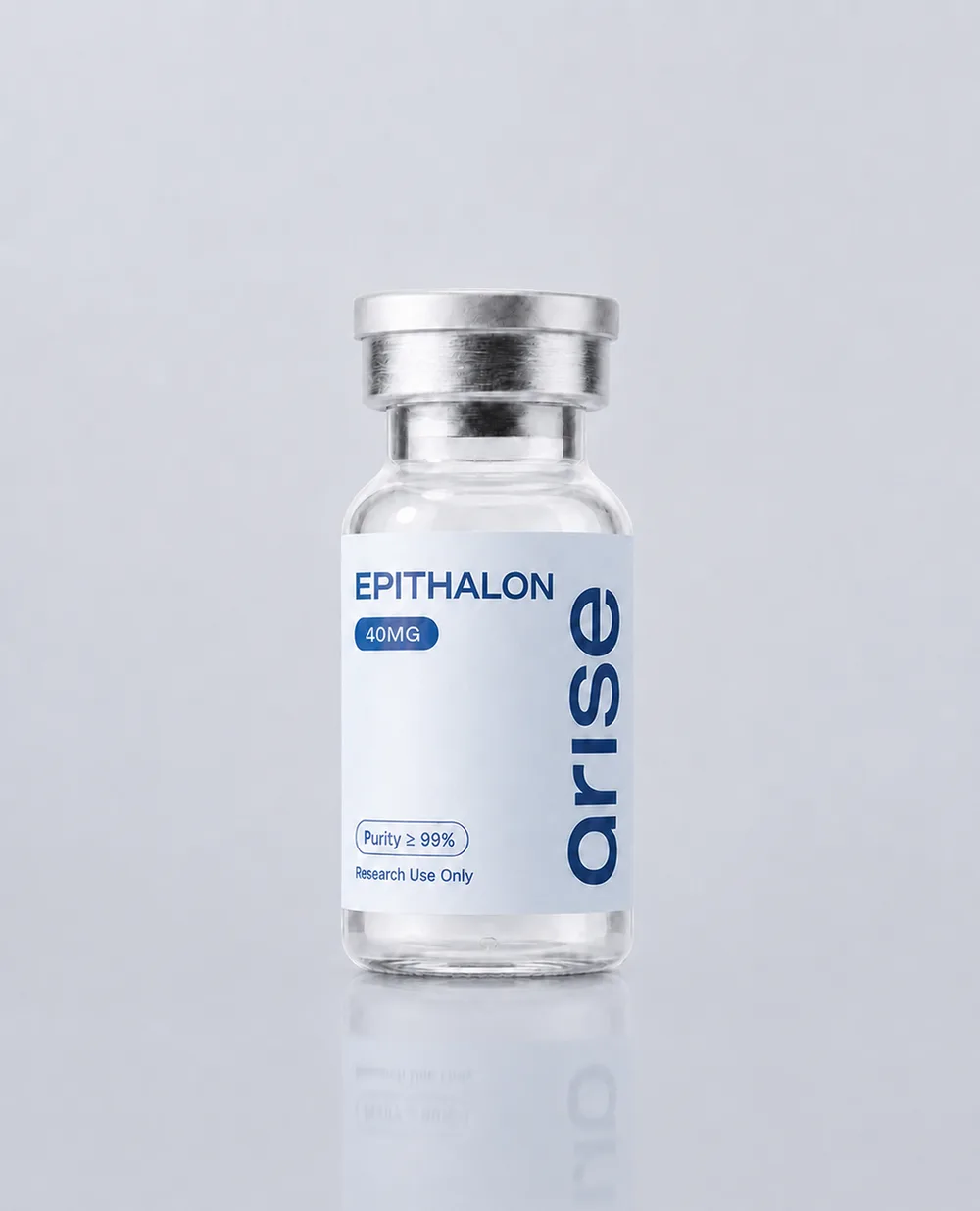
Epithalon
Synthetic tetrapeptide Ala-Glu-Asp-Gly.
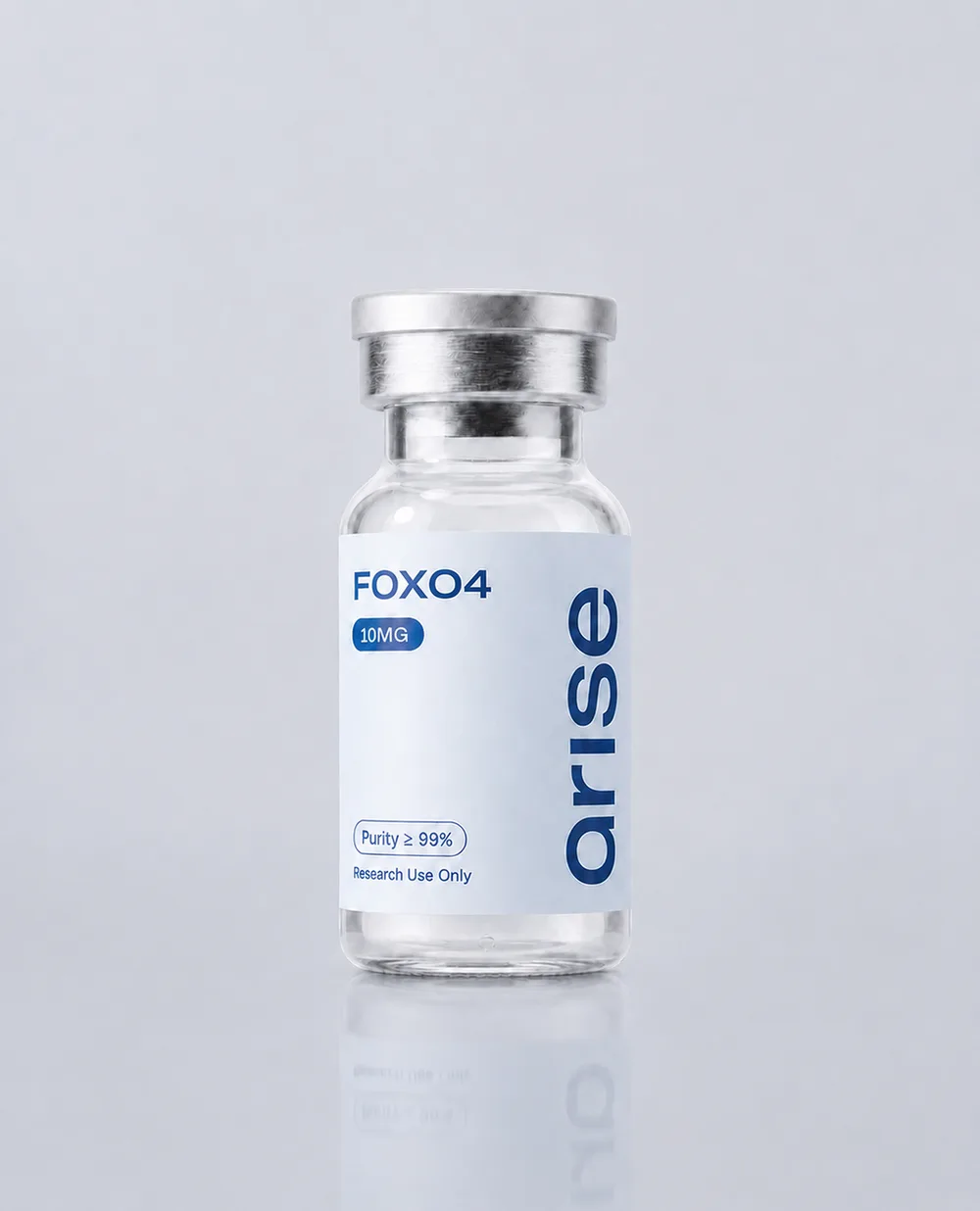
FOXO4
FOXO4-p53 interfering peptide, D-retro-inverso.
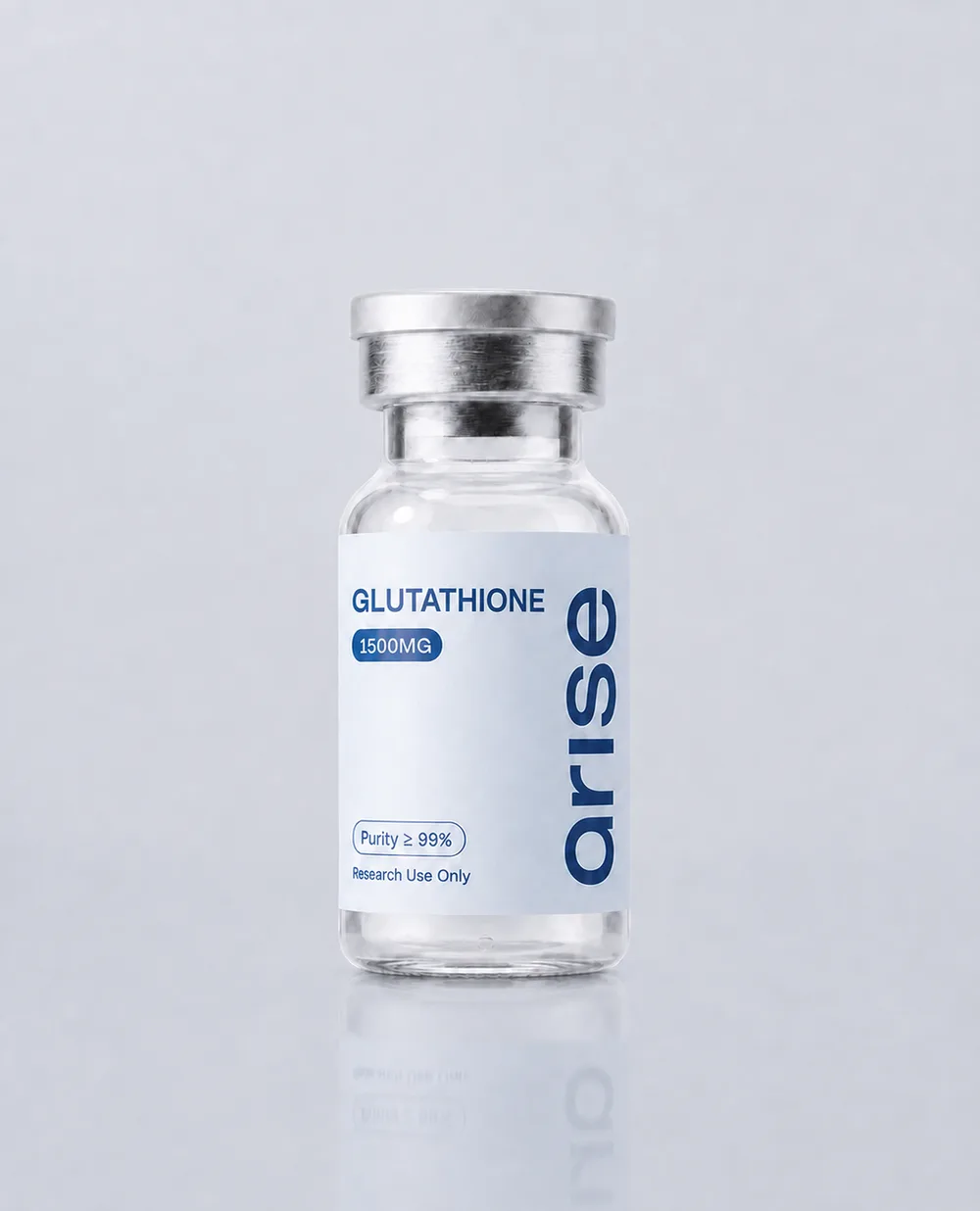
Glutathione
Reduced L-glutathione tripeptide.
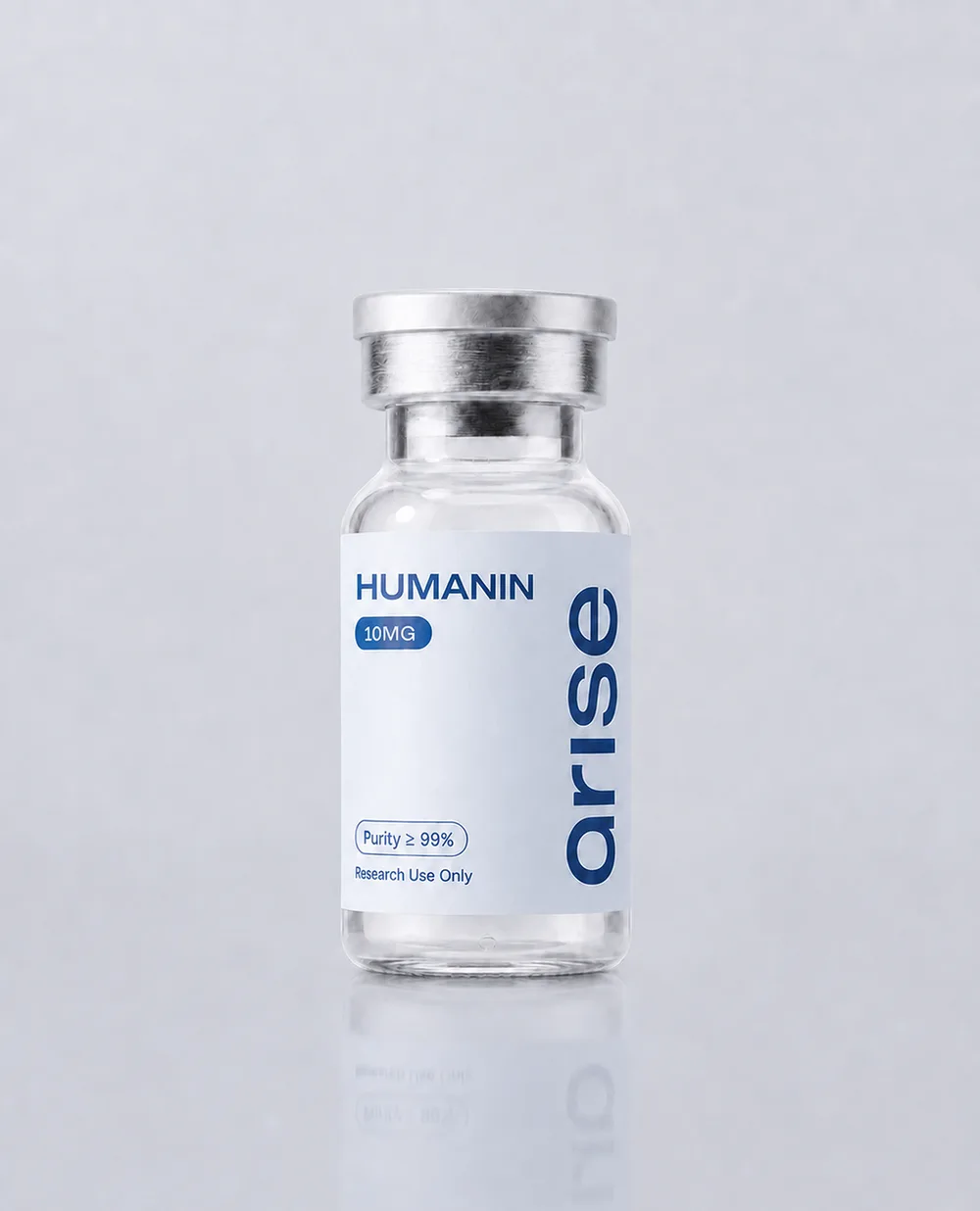
Humanin
24-residue mitochondrial-derived peptide.
Important research notice
Not for human consumption. This product is sold exclusively for research and educational purposes. It is not intended to diagnose, treat, cure, or prevent any disease.
This material is supplied exclusively as a research reagent for in vitro and laboratory use by qualified researchers. It is not a drug, dietary supplement, cosmetic, or medical device, is not intended for human or veterinary use, and is not intended to diagnose, treat, cure, or prevent any disease. No dosing, administration, therapeutic, or benefit claims are made or implied. Cited literature is provided for scientific reference only and does not constitute a representation of efficacy or safety in any subject.
By purchasing this product, you confirm that you are a qualified researcher and will use it in accordance with all applicable laws and regulations.