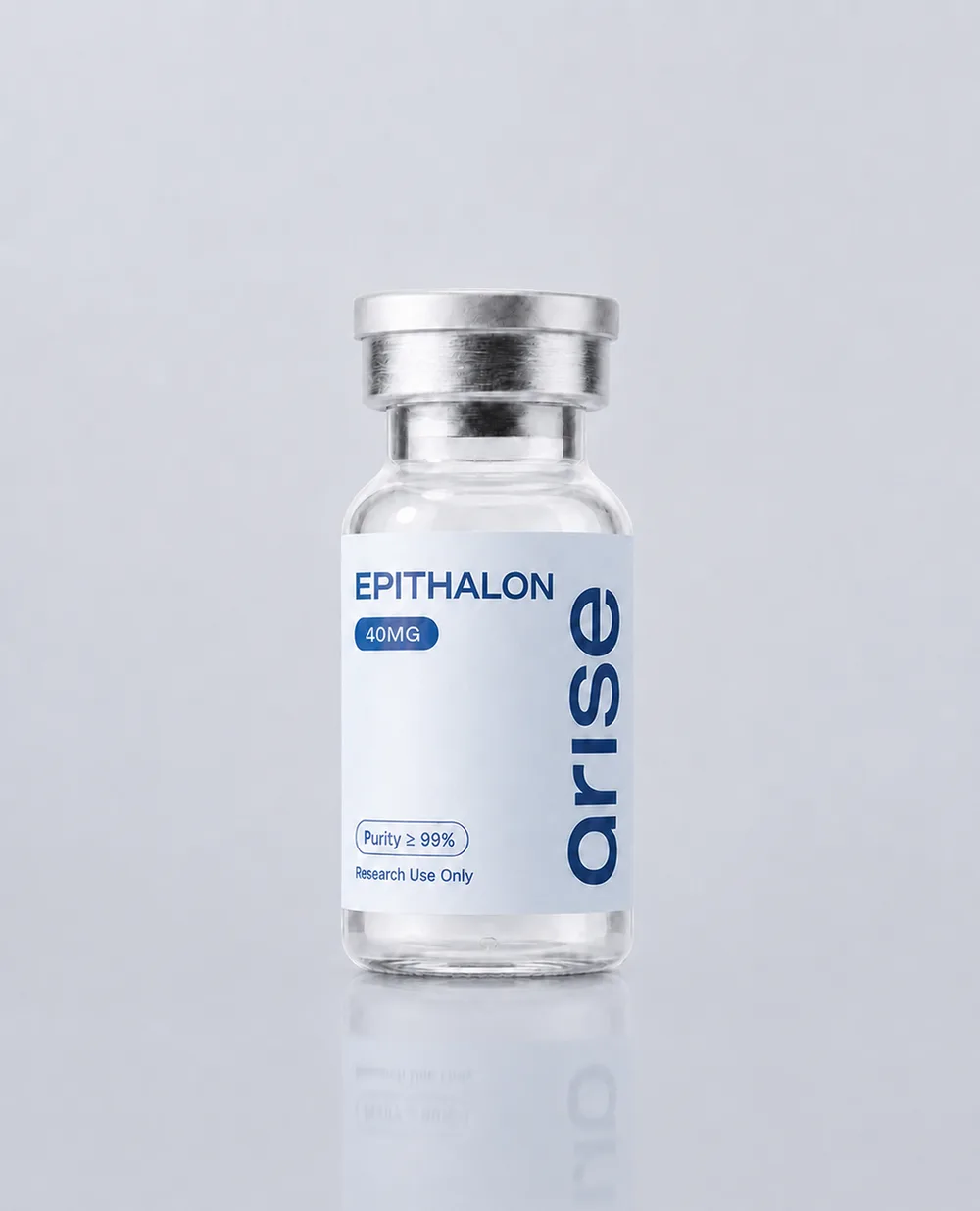
Epithalon
40MGSynthetic tetrapeptide Ala-Glu-Asp-Gly.
12 peer-reviewed citations for this compound
Read the sourcesVolume tiers count vials of this compound at this strength. Mixing different compounds does not combine toward a tier.
- ≥99% purity specification
- Secure checkout
- Ships in 1 business day
- Research use only
Released against a ≥99% HPLC purity specification and supplied as a sealed laboratory reagent for in vitro research use only.
- Type
- Synthetic tetrapeptide
- CAS number
- 307297-39-8
- Molecular formula
- C14H22N4O9
- Molecular weight
- 390.35 g/mol
- Amino acids
- 4
- Sequence
- Ala-Glu-Asp-Gly
- Form
- Lyophilized powder
- Vial strength
- 40MG
- Purity specification
- ≥99% by HPLC
Identifiers are published properties of the molecule. Values we cannot confirm are omitted rather than estimated.
Dispatch
Ships within 1 business day of order confirmation, from the US. Vials ship lyophilized at ambient temperature; move them to the storage condition below on arrival.
Lyophilized
Store at -20°C, protected from light. Stable 24+ months sealed.
Reconstituted
Store at 2-8°C. Use within approximately 30 days.
How Epithalon is described to act.
Epitalon, also written Epithalon, is the synthetic tetrapeptide Ala-Glu-Asp-Gly (AEDG), designed from the amino acid composition of the bovine pineal extract epithalamin. The literature describes short peptides of this class entering cells and nuclei and binding nucleic acids and histone proteins in a sequence-selective manner; molecular modelling placed AEDG at defined sites within histones H1/3 and H1/6 that contact DNA, which is proposed as an epigenetic route to altered transcription. In human cell lines, treatment has been reported to raise hTERT mRNA and telomerase enzyme activity, with telomere lengthening in normal cells and lengthening predominantly via alternative lengthening of telomeres in cancer lines. Review-level work additionally attributes antioxidant, antimutagenic and neuroendocrine actions, including effects on melatonin synthesis, interleukin-2 mRNA levels and the activity of enzymes such as AChE, BuChE and telomerase, while noting that the full mechanism remains uncertain.
Mechanistic descriptions summarize published in vitro and animal work. They are not a representation of efficacy or safety in any subject, and no administration guidance is given or implied.
In human gingival mesenchymal stem cells, AEDG raised mRNA for the neuronal differentiation markers Nestin, GAP43, beta-tubulin III and doublecortin by roughly 1.6- to 1.8-fold with corresponding increases in protein synthesis. In breast cancer lines and in normal epithelial and fibroblast cells, dose-dependent telomere lengthening was observed, proceeding through hTERT and telomerase upregulation in normal cells and largely through ALT activation, which was specific to the cancer cells. In Drosophila melanogaster, addition to the culture medium during development increased imago lifespan by 11-16% at concentrations orders of magnitude below those required for melatonin. In female outbred SHR mice, long-term monthly courses did not change food consumption, body weight or mean lifespan, but slowed the age-related switching-off of oestrous function, decreased the frequency of bone-marrow chromosome aberrations by 17.1% and increased maximum lifespan by 12.3%, with a 6-fold lower incidence of leukaemia. In HER-2/neu transgenic mice, treatment reduced the cumulative number and maximum size of spontaneous mammary tumours and was accompanied by a 3.7-fold reduction in HER-2/neu mRNA in tumour tissue; the cited records are animal, insect and in vitro studies, and none of the six is a controlled human trial. A perifusion study of pineal glands from young (9 week) and old (27 month) male Wistar rats found no significant effect of the tetrapeptide on melatonin secretion at any concentration from 10(-4) to 10(-6) M, a null result in the tissue from which the parent preparation was derived. In female CBA mice injected monthly from 6 months of age until natural death, the pineal tetrapeptide did not modify food consumption or physical strength, while body weight, survival and spontaneous tumour incidence were also recorded. Reproductive biology work examined the peptide in bovine cumulus-oocyte complexes during in vitro embryo production and in post-ovulatory ageing mouse oocytes in vitro, in both cases with telomerase activity proposed as the mechanism. In a high-glucose-injured human retinal pigment epithelial line used as a model of diabetic retinopathy, wound closure was the measured endpoint. Two illegal pharmaceutical preparations analysed by a forensic laboratory were found to contain the tetrapeptide, sold on the assumption of activity against cancer, old age and retinitis pigmentosa.
Sources & references
Cited literature is provided for scientific reference only and does not constitute a representation of efficacy or safety in any subject. All research findings presented are sourced from peer-reviewed journals and are provided for educational reference only.
- 01Epitalon increases telomere length in human cell lines through telomerase upregulation or ALT activity
Al-Dulaimi S, et al. · Biogerontology, 2025
- 02Overview of Epitalon-Highly Bioactive Pineal Tetrapeptide with Promising Properties
Araj SK, et al. · Int J Mol Sci, 2025
- 03
- 04The Antioxidant Tetrapeptide Epitalon Enhances Delayed Wound Healing in an in Vitro Model of Diabetic Retinopathy
Gatta M, et al. · Stem Cell Rev Rep, 2025
- 05Epitalon protects against post-ovulatory aging-related damage of mouse oocytes in vitro
Yue X, et al. · Aging (Albany NY), 2022
- 06
- 07
- 08Effect of Epitalon on biomarkers of aging, life span and spontaneous tumor incidence in female Swiss-derived SHR mice
Anisimov VN, et al. · Biogerontology, 2003
- 09Effect of a synthetic pineal tetrapeptide (Ala-Glu-Asp-GLy) on melatonin secretion by the pineal gland of young and old rats
Djeridane Y, et al. · J Endocrinol Invest, 2003
- 10Inhibitory effect of the peptide epitalon on the development of spontaneous mammary tumors in HER-2/neu transgenic mice
Anisimov VN, et al. · Int J Cancer, 2002
- 11
- 12Effect of epitalon on the lifespan increase in Drosophila melanogaster
Khavinson VK, et al. · Mech Ageing Dev, 2000
Every entry links to its record at the publisher or on PubMed. Titles are reproduced exactly as published.
Further searches
Live database searches for Epithalon, run against the current index and retrieved independently of this site.
Bench handling, not a dosing guide.
Intended use
Supplied exclusively as a research reagent for in vitro and laboratory use by qualified researchers. Not a drug, dietary supplement, cosmetic or medical device, and not for human or veterinary use. No dosing, route or administration guidance is provided for any compound in this catalog.
Personal protection
Handle in a controlled laboratory environment with gloves and eye protection. Avoid generating or inhaling airborne particulate when opening a vial, and do not handle the material outside a designated work area.
Opening and reconstitution
Lyophilized peptides are hygroscopic. Let the sealed vial equilibrate to room temperature before opening so atmospheric moisture does not condense onto the powder. Reconstitute by directing diluent down the vial wall and swirling until dissolved — do not shake, which shears and foams the peptide.
Stability and aliquoting
Store at -20°C, protected from light. Stable 24+ months sealed. Store at 2-8°C. Use within approximately 30 days. Aliquot reconstituted material and minimize repeated freeze-thaw cycles.
Waste disposal
Dispose of unused material, reconstituted solutions and sharps through your institution's chemical and biological waste stream, in accordance with local regulations. Do not dispose of research material in domestic waste or to drain.
Others in longevity & cellular
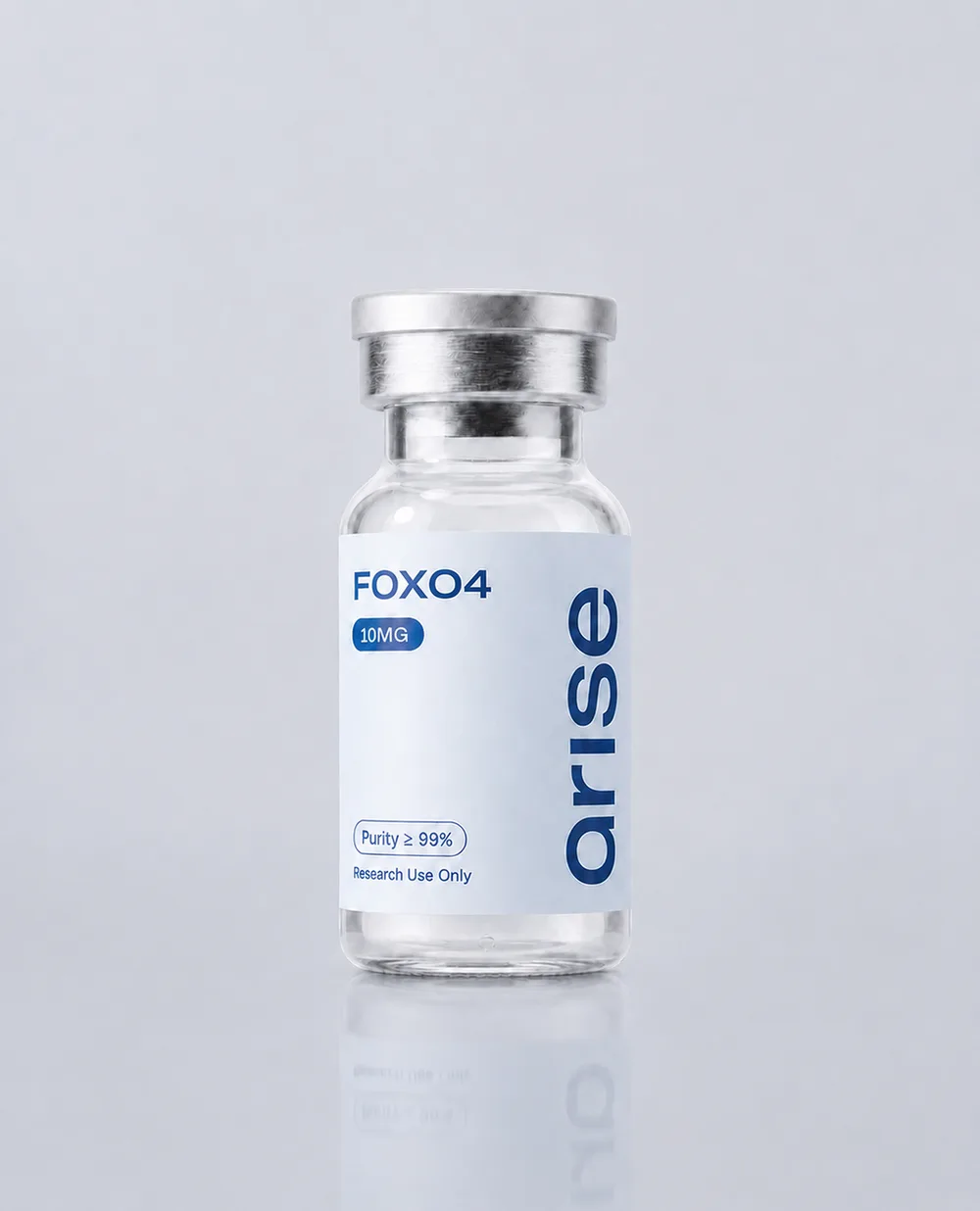
FOXO4
FOXO4-p53 interfering peptide, D-retro-inverso.
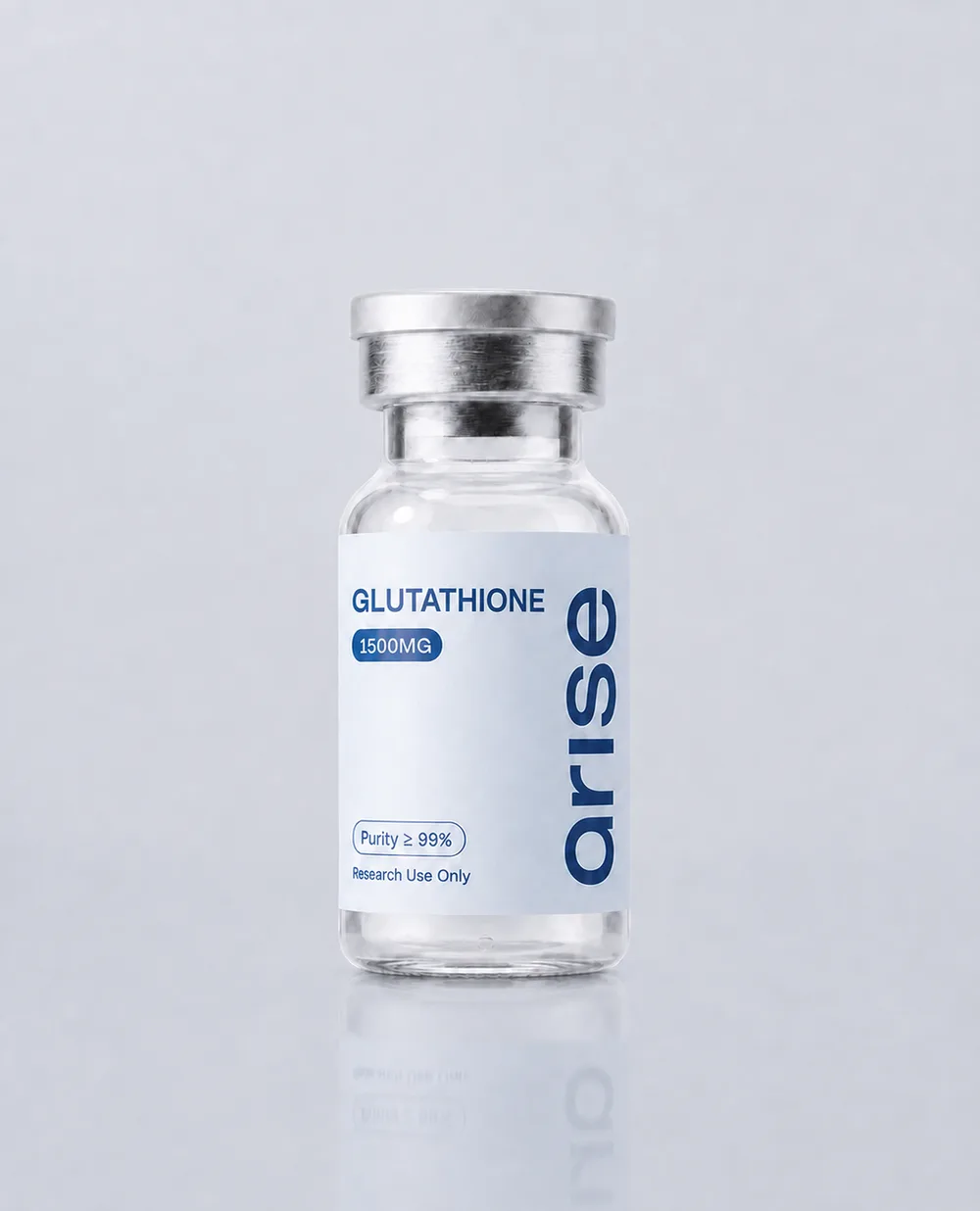
Glutathione
Reduced L-glutathione tripeptide.
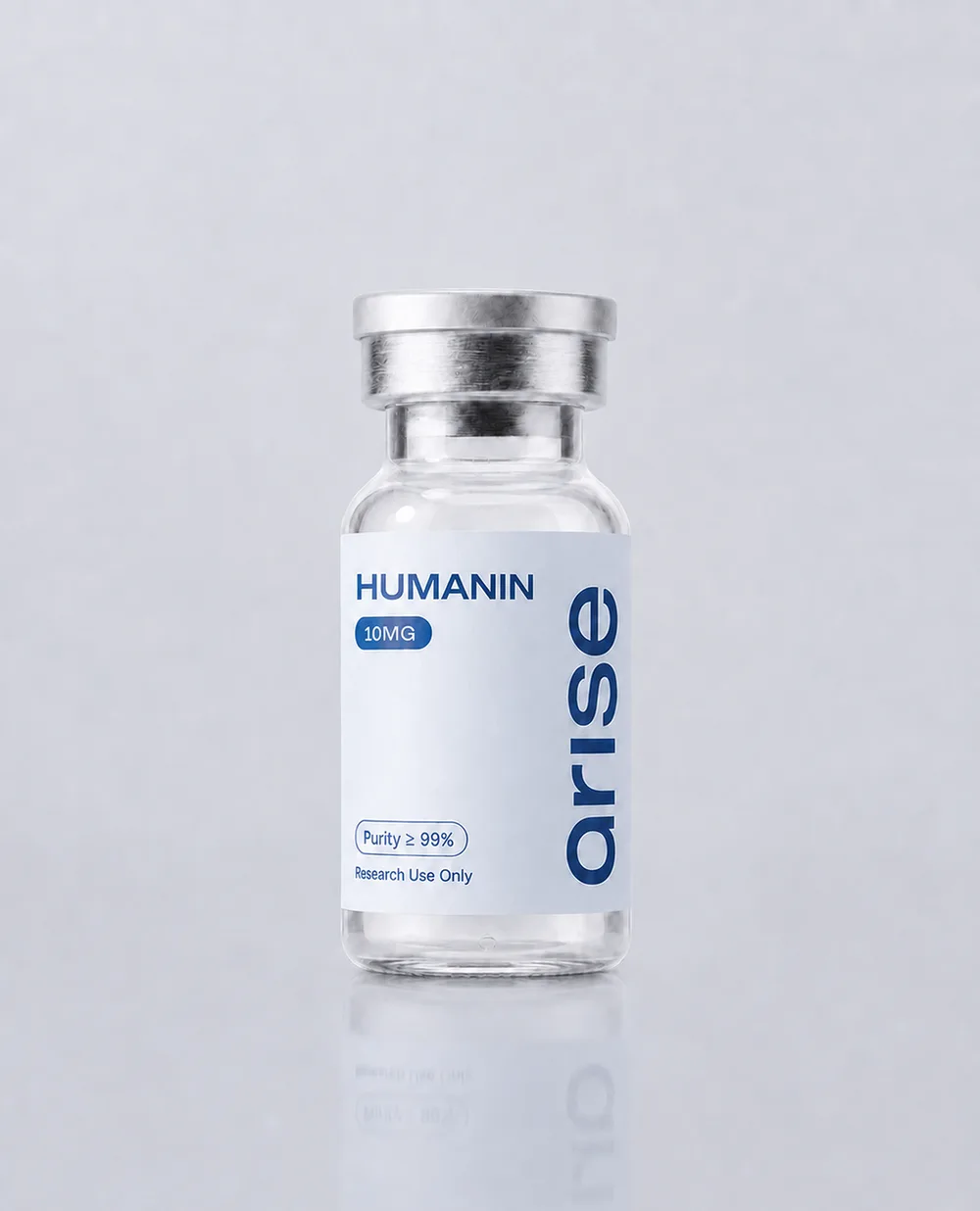
Humanin
24-residue mitochondrial-derived peptide.
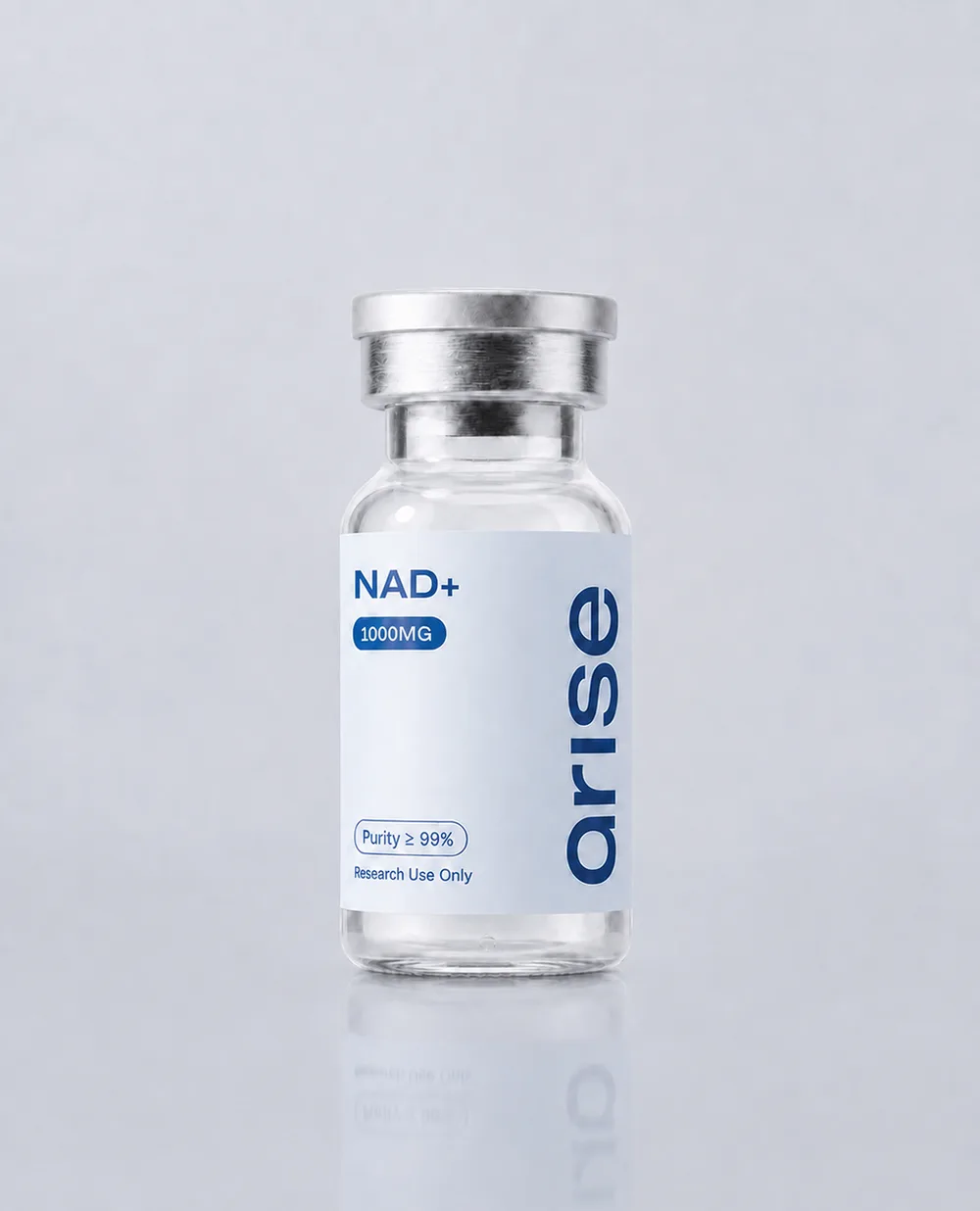
NAD+
Nicotinamide adenine dinucleotide, oxidized.
Important research notice
Not for human consumption. This product is sold exclusively for research and educational purposes. It is not intended to diagnose, treat, cure, or prevent any disease.
This material is supplied exclusively as a research reagent for in vitro and laboratory use by qualified researchers. It is not a drug, dietary supplement, cosmetic, or medical device, is not intended for human or veterinary use, and is not intended to diagnose, treat, cure, or prevent any disease. No dosing, administration, therapeutic, or benefit claims are made or implied. Cited literature is provided for scientific reference only and does not constitute a representation of efficacy or safety in any subject.
By purchasing this product, you confirm that you are a qualified researcher and will use it in accordance with all applicable laws and regulations.