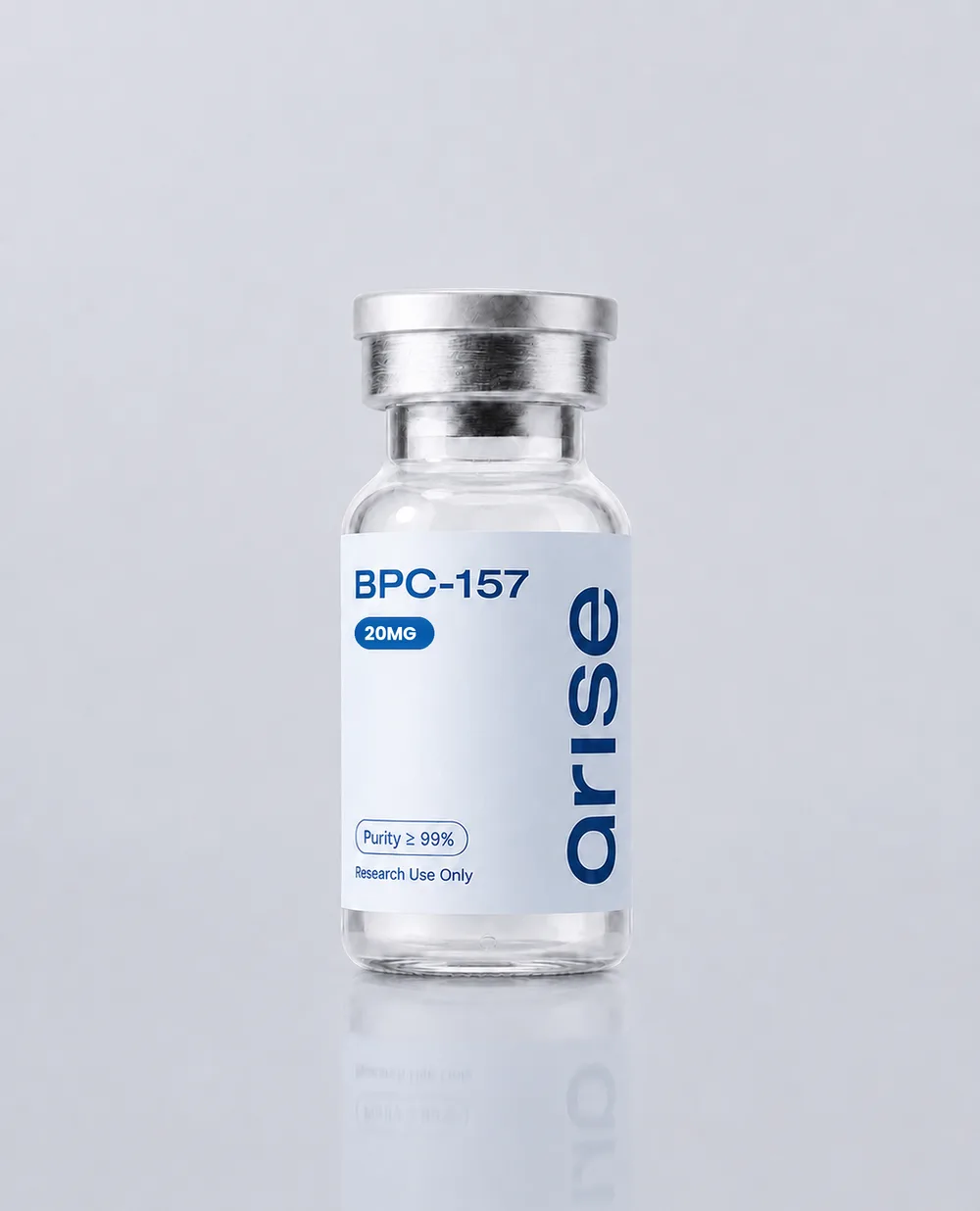
BPC-157
20MGSynthetic 15-residue gastric pentadecapeptide.
12 peer-reviewed citations for this compound
Read the sourcesVolume tiers count vials of this compound at this strength. Mixing different compounds does not combine toward a tier.
- ≥99% purity specification
- Secure checkout
- Ships in 1 business day
- Research use only
Released against a ≥99% HPLC purity specification and supplied as a sealed laboratory reagent for in vitro research use only.
- Type
- Synthetic gastric pentadecapeptide
- CAS number
- 137525-51-0
- Molecular formula
- C62H98N16O22
- Molecular weight
- 1419.53 g/mol
- Amino acids
- 15
- Sequence
- Gly-Glu-Pro-Pro-Pro-Gly-Lys-Pro-Ala-Asp-Asp-Ala-Gly-Leu-Val
- Form
- Lyophilized powder
- Vial strength
- 20MG
- Purity specification
- ≥99% by HPLC
Identifiers are published properties of the molecule. Values we cannot confirm are omitted rather than estimated.
Dispatch
Ships within 1 business day of order confirmation, from the US. Vials ship lyophilized at ambient temperature; move them to the storage condition below on arrival.
Lyophilized
Store at -20°C, protected from light. Stable 24+ months sealed.
Reconstituted
Store at 2-8°C. Use within approximately 30 days.
How BPC-157 is described to act.
BPC-157 is a synthetic pentadecapeptide corresponding to a partial sequence of body protection compound isolated from human gastric juice. Rodent work characterizes a close relationship with the nitric oxide system, in which the peptide competes with both L-NAME and L-arginine and modulates NO generation, and describes prompt activation of collateral vascular pathways following vessel occlusion. In vitro studies on rat Achilles tendon fibroblasts report accelerated explant outgrowth, dose-dependent cell migration and spreading, F-actin formation, and increased phosphorylation of FAK and paxillin, with no direct effect on proliferation by MTT assay. Reviews additionally describe reported modulation of egr-1 and NAB2 gene expression and of angiogenic growth factor signaling in rodent tissue.
Mechanistic descriptions summarize published in vitro and animal work. They are not a representation of efficacy or safety in any subject, and no administration guidance is given or implied.
The published record is overwhelmingly preclinical and concentrated in rat models of gastrointestinal, tendon, ligament, muscle, bone, and central nervous system injury. Reviews describe consistent healing-related outcomes across these rodent injury models using a single dose range and multiple equipotent routes of administration, and report that a lethal dose (LD1) was not reached in the cited toxicity work. Rodent CNS studies examined endpoints including bilateral common carotid artery clamping, spinal cord compression, and L-NAME- or haloperidol-induced catalepsy. A 2025 systematic review of the orthopaedic sports medicine literature screened 544 articles and included 36 studies, of which 35 were preclinical, and noted that the compound lacks FDA approval and is banned in professional sport. Review authors also state that efficacy in humans has not been confirmed for the musculoskeletal indications studied in rodents. A 2026 biopharmaceutical review states that after three decades of preclinical work there is no approved formulation, no validated dosing regimen and no completed phase 2 trial, and frames physicochemical stability and pharmacokinetics as unresolved development barriers. A scoping review in the musculoskeletal literature weighed the breadth and quality of the preclinical and clinical record against the compound's regulatory status and reported safety concerns. A sports medicine review places the peptide among unapproved compounds circulating in a gray market outside regulatory oversight, alongside AOD-9604 and related agents. Ex vivo work on residual human internal mammary artery rings obtained during coronary surgery examined vascular tone and the contribution of endothelial nitric oxide signalling, extending to human tissue the NO-system observations previously reported in animals. A rat Achilles tenotomy study in 32 male Sprague-Dawley animals compared the peptide, TB-500 and their combination against control on biomechanical, histopathological, histochemical and immunohistochemical endpoints.
Sources & references
Cited literature is provided for scientific reference only and does not constitute a representation of efficacy or safety in any subject. All research findings presented are sourced from peer-reviewed journals and are provided for educational reference only.
- 01
- 02
- 03Endothelium-Dependent Nitric Oxide-Mediated Vasorelaxant Effects of BPC 157 in Human Internal Mammary Artery
Yildirim AK, et al. · J Clin Med, 2026
- 04Effects of BPC-157 and TB-500 on Achilles tendon healing in rats: A histopathological and biomechanical study
Biçer O, et al. · Jt Dis Relat Surg, 2026
- 05Emerging Use of BPC-157 in Orthopaedic Sports Medicine: A Systematic Review
Vasireddi N, et al. · HSS J, 2025
- 06Regeneration or Risk? A Narrative Review of BPC-157 for Musculoskeletal Healing
McGuire FP, et al. · Curr Rev Musculoskelet Med, 2025
- 07Stable Gastric Pentadecapeptide BPC 157: Prompt Particular Activation of Collateral Pathways
Sikiric P, et al. · Curr Med Chem, 2023
- 08Pentadecapeptide BPC 157 and the central nervous system
Vukojevic J, et al. · Neural Regen Res, 2022
- 09Stable Gastric Pentadecapeptide BPC 157 and Wound Healing
Seiwerth S, et al. · Front Pharmacol, 2021
- 10
- 11Stable gastric pentadecapeptide BPC 157-NO-system relation
Sikiric P, et al. · Curr Pharm Des, 2014
- 12The promoting effect of pentadecapeptide BPC 157 on tendon healing involves tendon outgrowth, cell survival, and cell migration
Chang CH, et al. · J Appl Physiol (1985), 2011
Every entry links to its record at the publisher or on PubMed. Titles are reproduced exactly as published.
Further searches
Live database searches for BPC-157, run against the current index and retrieved independently of this site.
Bench handling, not a dosing guide.
Intended use
Supplied exclusively as a research reagent for in vitro and laboratory use by qualified researchers. Not a drug, dietary supplement, cosmetic or medical device, and not for human or veterinary use. No dosing, route or administration guidance is provided for any compound in this catalog.
Personal protection
Handle in a controlled laboratory environment with gloves and eye protection. Avoid generating or inhaling airborne particulate when opening a vial, and do not handle the material outside a designated work area.
Opening and reconstitution
Lyophilized peptides are hygroscopic. Let the sealed vial equilibrate to room temperature before opening so atmospheric moisture does not condense onto the powder. Reconstitute by directing diluent down the vial wall and swirling until dissolved — do not shake, which shears and foams the peptide.
Stability and aliquoting
Store at -20°C, protected from light. Stable 24+ months sealed. Store at 2-8°C. Use within approximately 30 days. Aliquot reconstituted material and minimize repeated freeze-thaw cycles.
Waste disposal
Dispose of unused material, reconstituted solutions and sharps through your institution's chemical and biological waste stream, in accordance with local regulations. Do not dispose of research material in domestic waste or to drain.
Others in healing & recovery
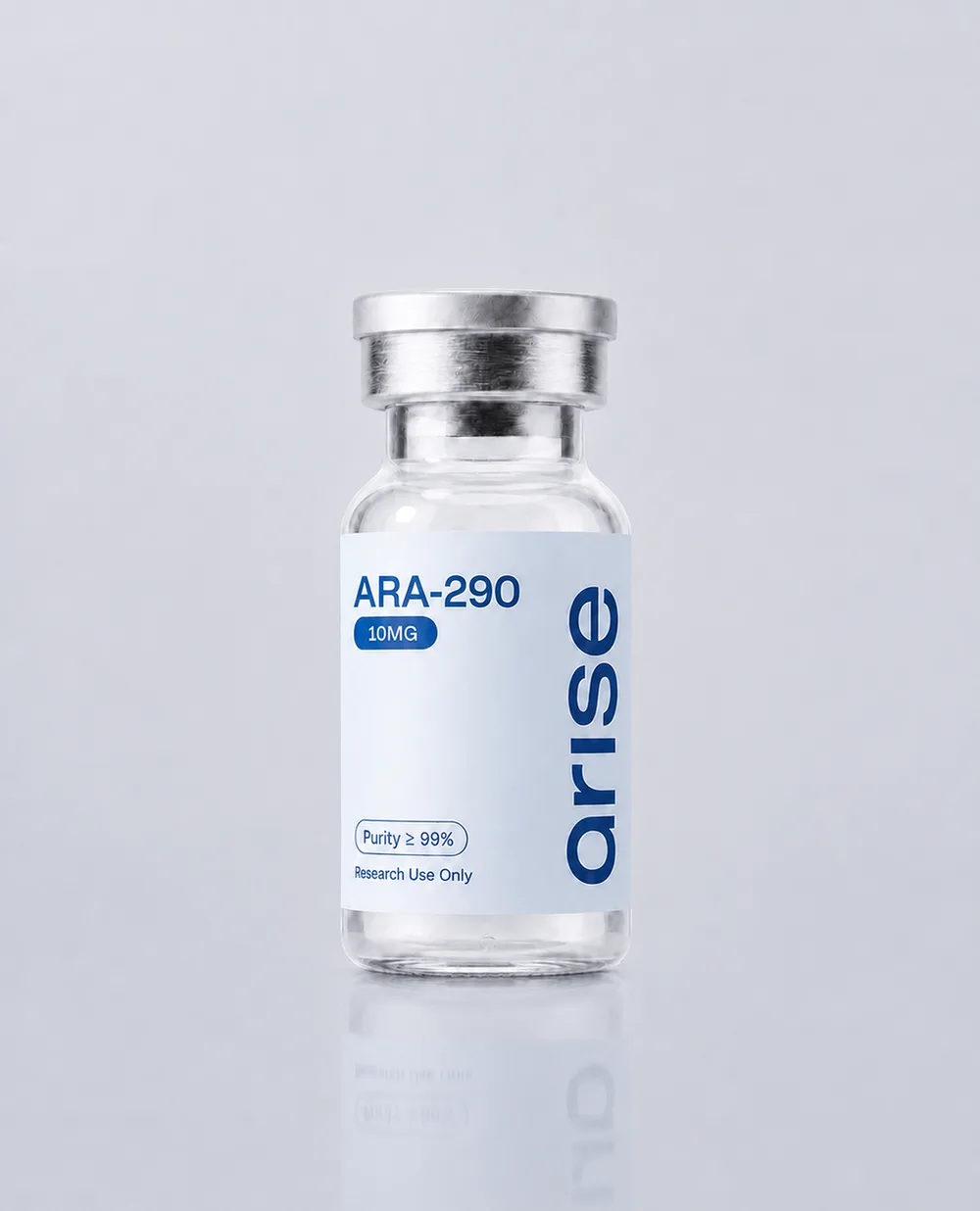
ARA-290
11-residue erythropoietin-derived peptide.
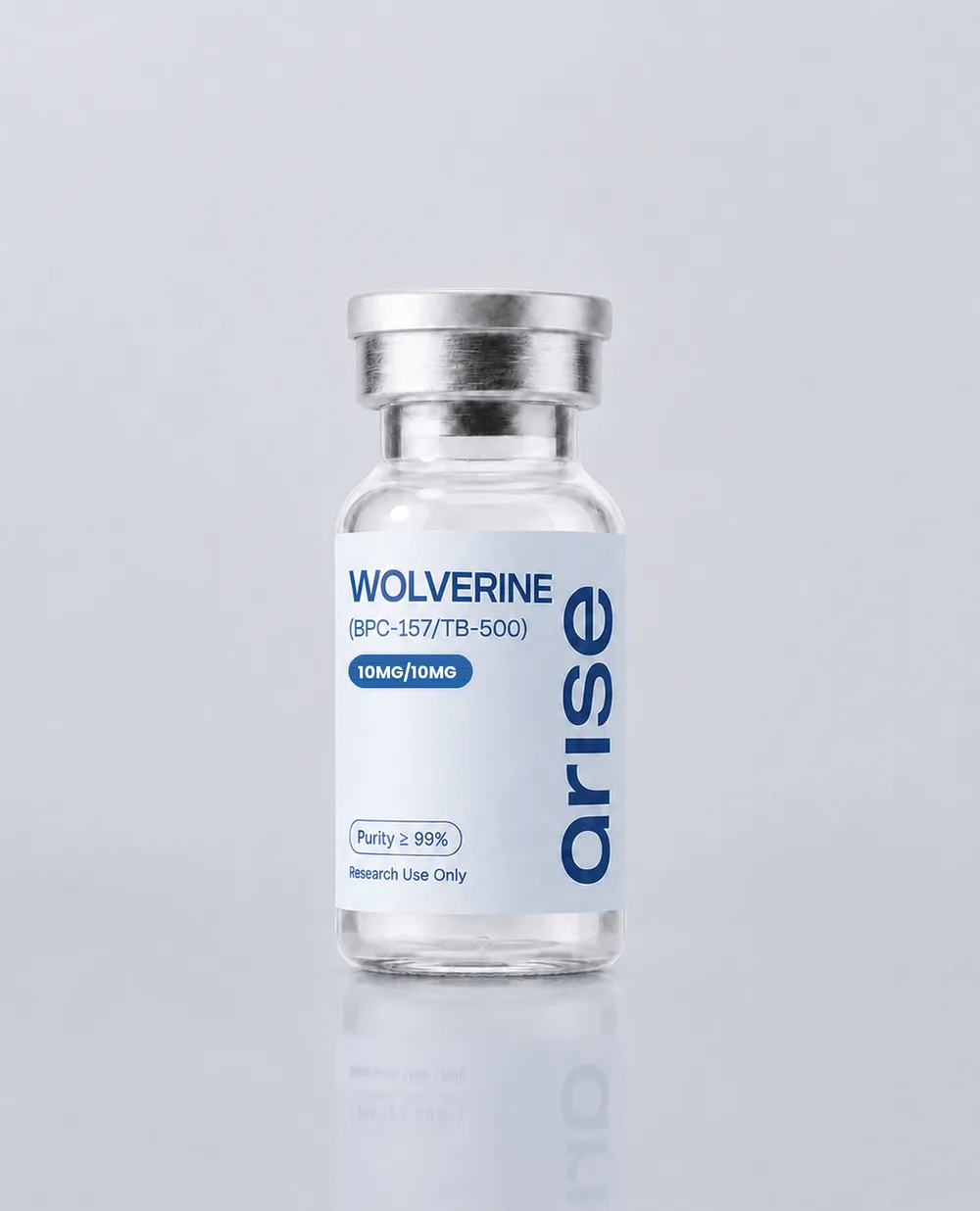
Wolverine(BPC-157 / TB-500)
Co-formulated BPC-157 and TB-500 blend.
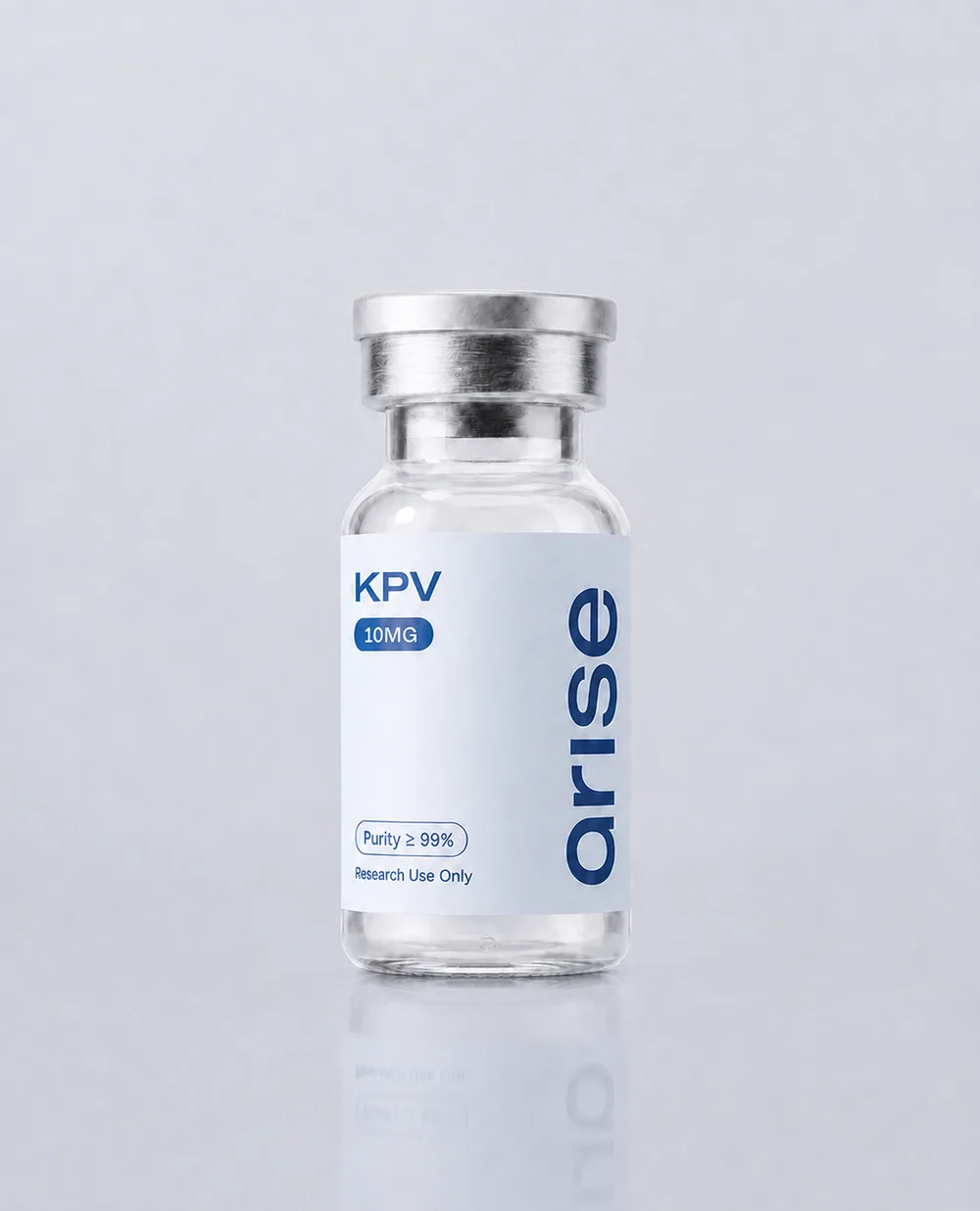
KPV
C-terminal alpha-MSH tripeptide.
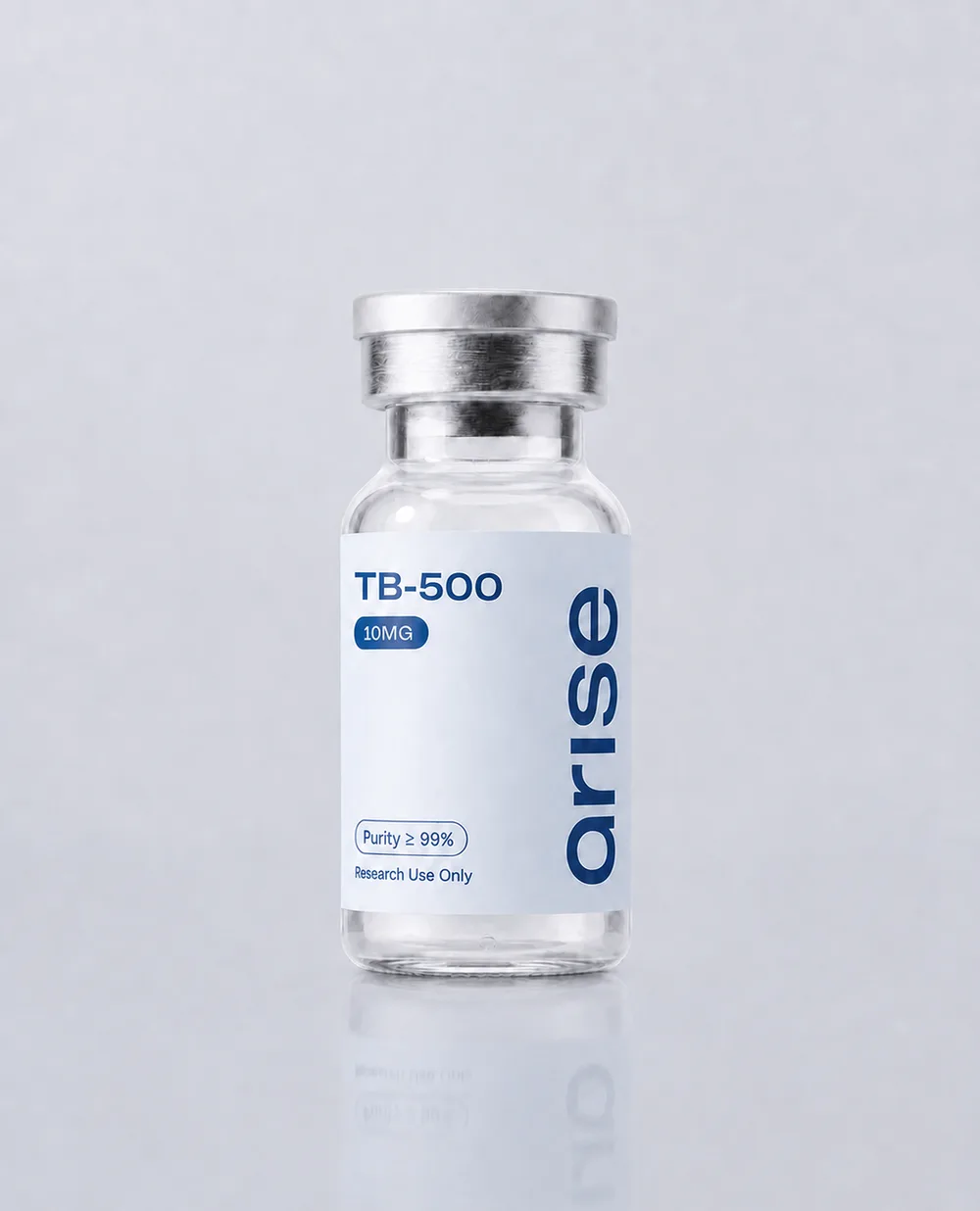
TB-500
Thymosin beta-4 active fragment.
Important research notice
Not for human consumption. This product is sold exclusively for research and educational purposes. It is not intended to diagnose, treat, cure, or prevent any disease.
This material is supplied exclusively as a research reagent for in vitro and laboratory use by qualified researchers. It is not a drug, dietary supplement, cosmetic, or medical device, is not intended for human or veterinary use, and is not intended to diagnose, treat, cure, or prevent any disease. No dosing, administration, therapeutic, or benefit claims are made or implied. Cited literature is provided for scientific reference only and does not constitute a representation of efficacy or safety in any subject.
By purchasing this product, you confirm that you are a qualified researcher and will use it in accordance with all applicable laws and regulations.